


Starting an online store today is far simpler than it used to be. With ecommerce website builders and online store builder platforms now widely available, anyone can launch a polished store without hiring developers or paying for custom-built sites.
India’s ecommerce market is projected to reach $350 billion by 2030, according to IBEF.
Choosing the right platform for your store is one of the most important decisions you’ll make, since it shapes everything else that follows.
Whether you’re selling clothing, handmade crafts, digital services, or dropshipped products, the best ecommerce website builder you choose will directly affect how well your business runs. Here’s a look at what stands out among Indian ecommerce builders heading into 2026, so you can match the right tool to your business.
Table of Contents
1. Introduction
2. What Is an Ecommerce Platform?
3. Why Choosing the Right Ecommerce Website Builder Matters
4. Ecommerce Website Builder Comparison
5. 5 Best Ecommerce Website Builders in India
6. How to Choose the Right Ecommerce Platform for Your Business
7. Why Store.link Stands Out
8. Conclusion
9. FAQs
What Is an Ecommerce Platform?
An ecommerce platform is software that lets businesses set up a digital storefront without building everything from scratch. Tools inside help handle products, payments, orders, all part of daily operations. From adding items to tracking sales, most tasks get simpler through these systems. Each feature works behind the scenes so owners can focus on customers instead of code
- Product management
- Order processing
- Inventory tracking
- Payment collection
- Customer management
- Website design
Launching a store doesn’t mean starting from zero. These platforms handle the technical groundwork so business owners can focus on customers instead of code.
Why Choosing the Right Ecommerce Website Builder Matters
Your website serves as your digital storefront. The platform you opt affects:
- Website speed
- Customer experience
- Search engine visibility
- Mobile responsiveness
- Sales conversions
- Business scalability
A poor platform can limit growth, while the right solution can help businesses expand with minimal technical effort.
Ecommerce Website Builder Comparison
5 Best Ecommerce Website Builders in India
1. Store.link
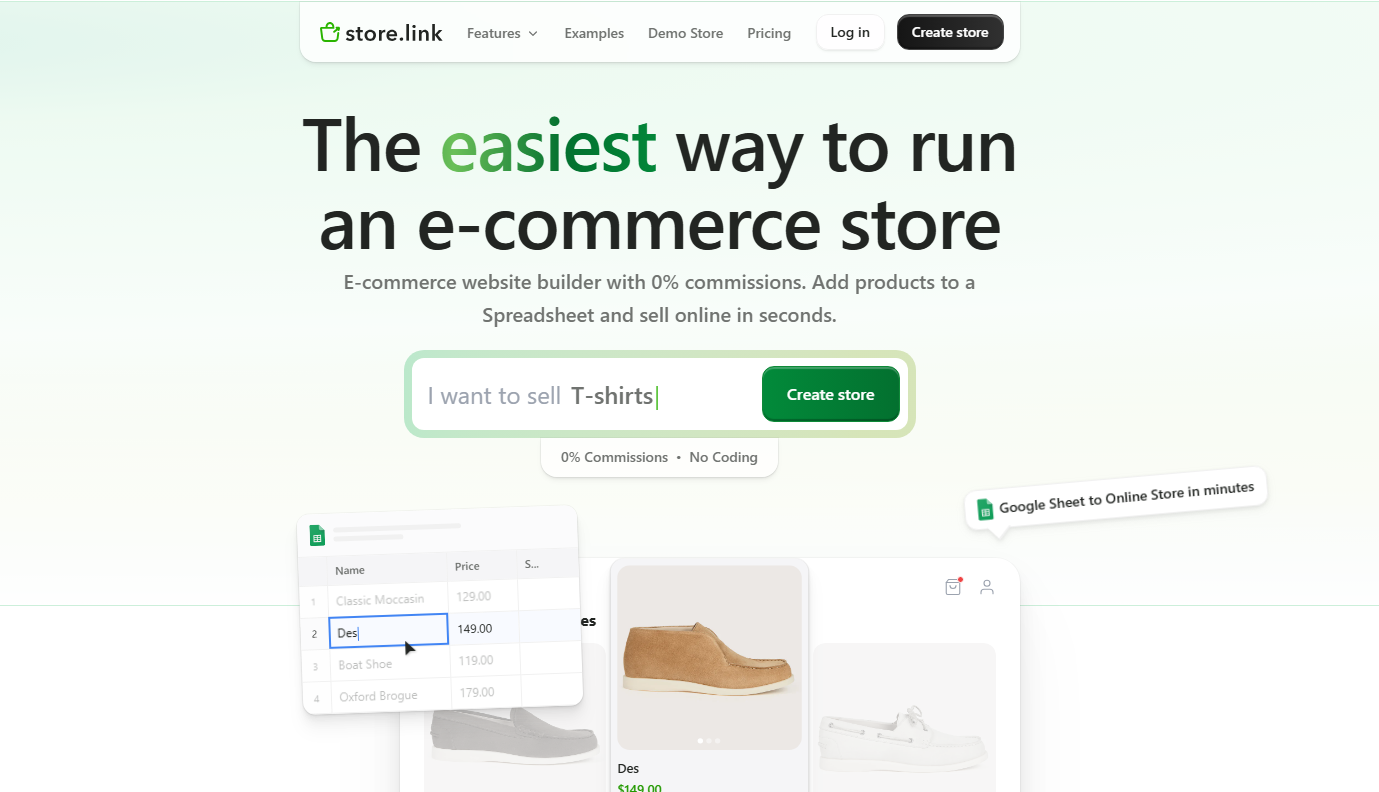
Best for Simple and Free Ecommerce Stores
Store.link is emerging as one of the most practical ecommerce solutions for small businesses, creators, local sellers, and entrepreneurs.
Unlike many traditional platforms, Store.link is built on top of Google Sheets and is freely available. This unique approach simplifies store management dramatically.
Key benefits include:
- No coding required
- Free to use
- Google Sheets integration
- Fast setup
- Mobile-friendly design
- Easy product management
Sellers can start entirely free, test and run their business, and upgrade only when they need a branded subdomain or custom domain as they scale. For small businesses looking for a low-cost entry point into ecommerce, Store.link offers strong value without sacrificing functionality.
For small businesses looking for an affordable entry point into ecommerce, Store.link offers exceptional value.
If you want a free ecommerce website builder in India that keeps store management simple, create a free store with Store.link.
2. Shopify
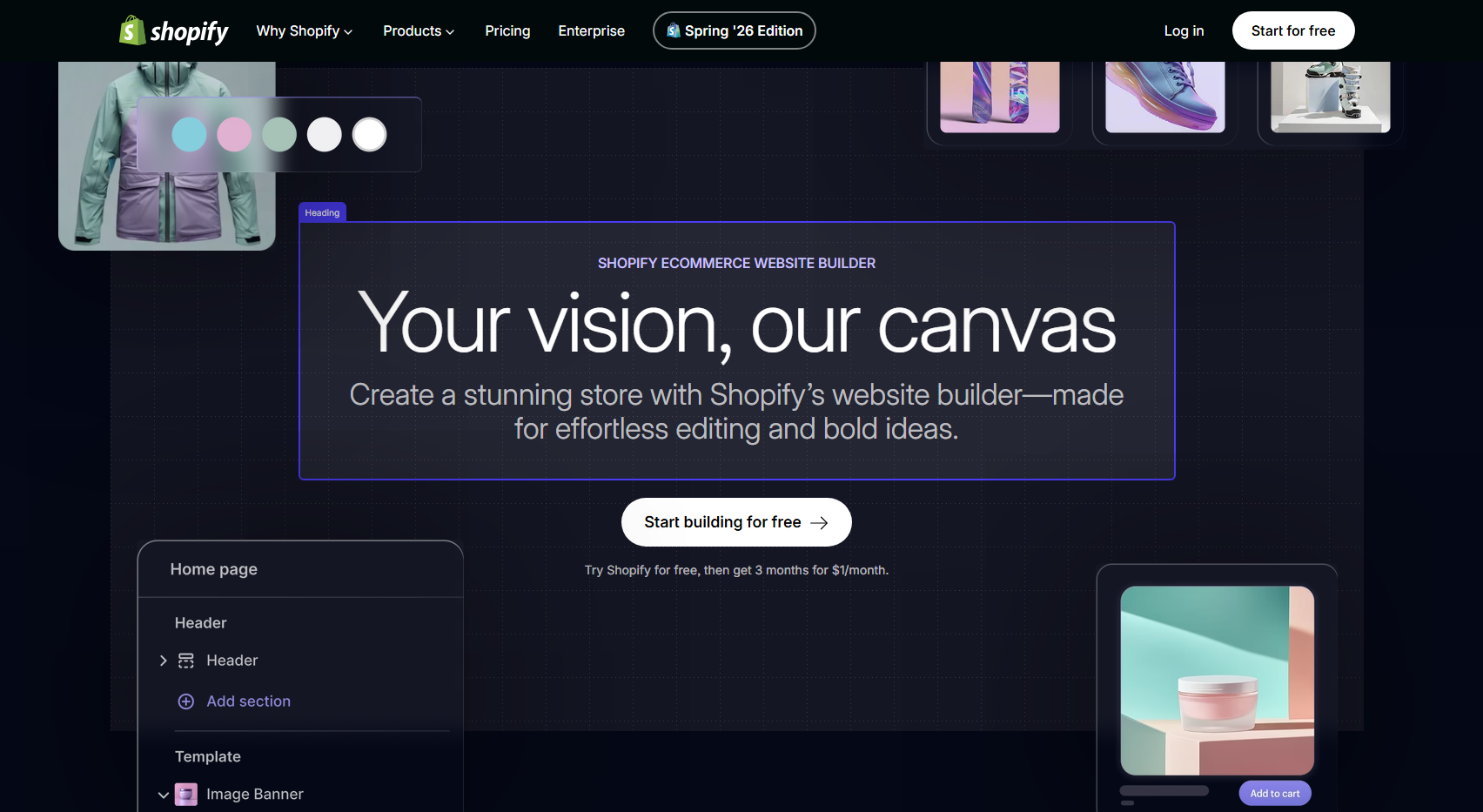
Best for scaling ecommerce operations
Shopify remains one of the most established platforms for online stores worldwide, with strengths including:
- Extensive app marketplace
- Secure checkout
- Professional themes
- Multi-channel selling
- Inventory management
Shopify tends to fit well once a business is scaling quickly, though subscription and app costs can add up over time. It is often a strong choice for sellers who need advanced ecommerce workflows, multiple integrations, and room to grow.
3. WooCommerce
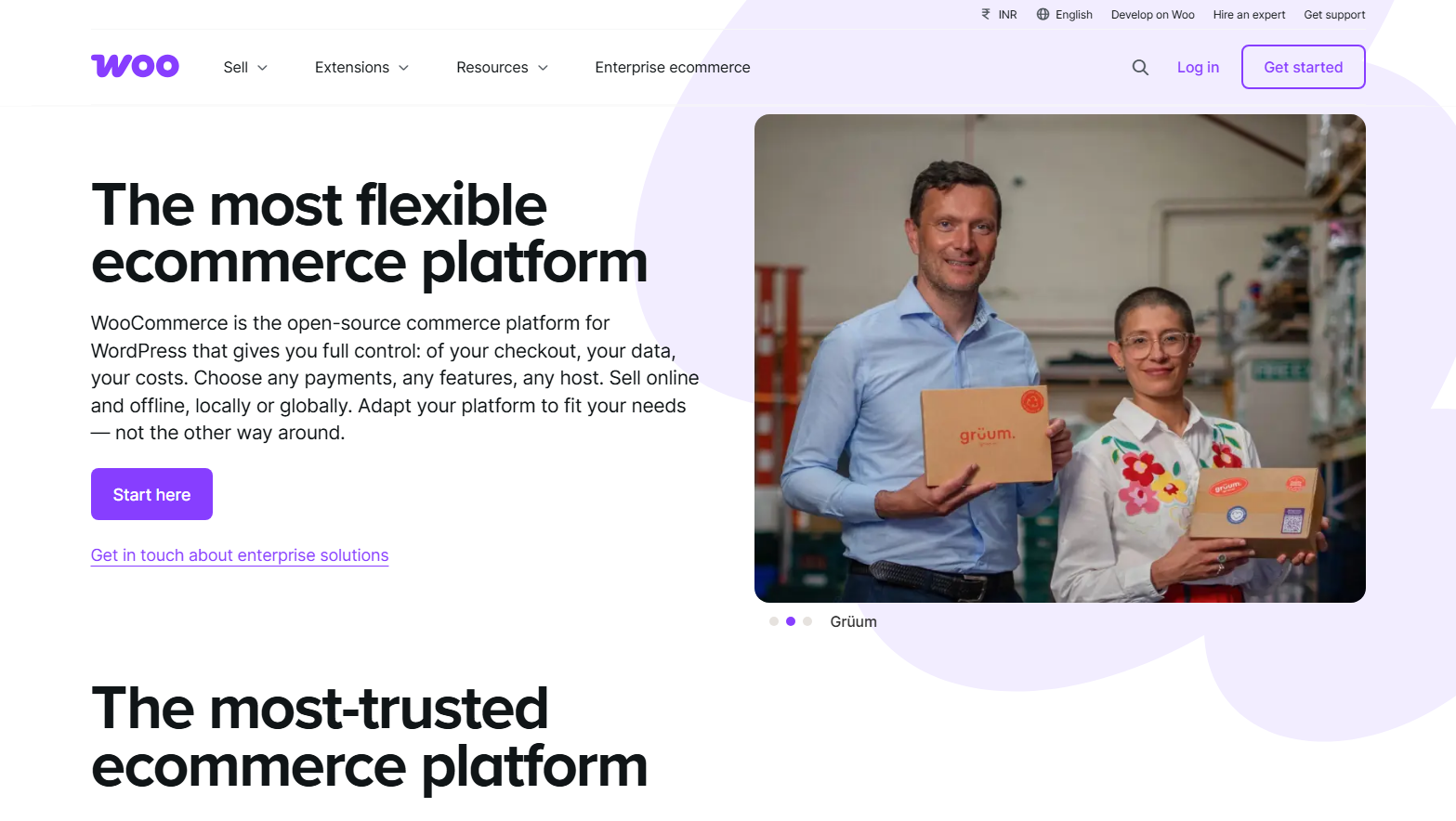
Best for WordPress users
WooCommerce turns a WordPress site into a fully functioning store, adding ecommerce capability directly into a platform many site owners already use.
Advantages include:
- Open-source flexibility
- Strong SEO capabilities
- Large plugin ecosystem
- Customization options
The tradeoff is setup and maintenance. WooCommerce often requires more hands-on management, and advanced customization can require technical skills many small business owners don’t have on hand.
4. Wix Ecommerce
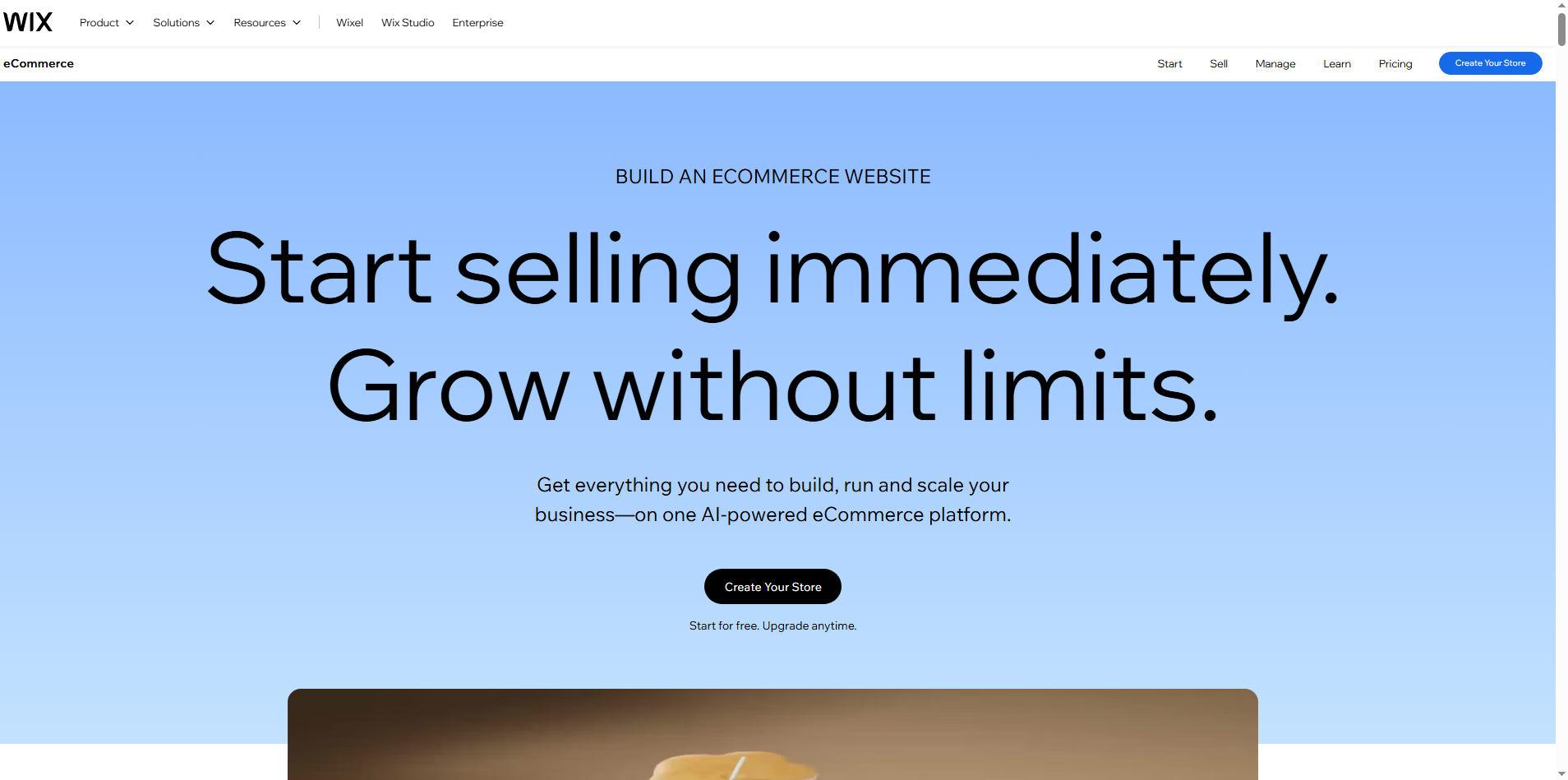
Best for Beginners
Wix offers drag-and-drop website building combined with ecommerce functionality.
Key aspects are:
- Easy website creation
- Attractive templates
- Integrated hosting
- Built-in marketing tools
For small companies focused on straightforward design, Wix works well. A clean interface often matters most when getting started. Visual ease can make a difference without needing extra tools. Simplicity stands out more than advanced features here.
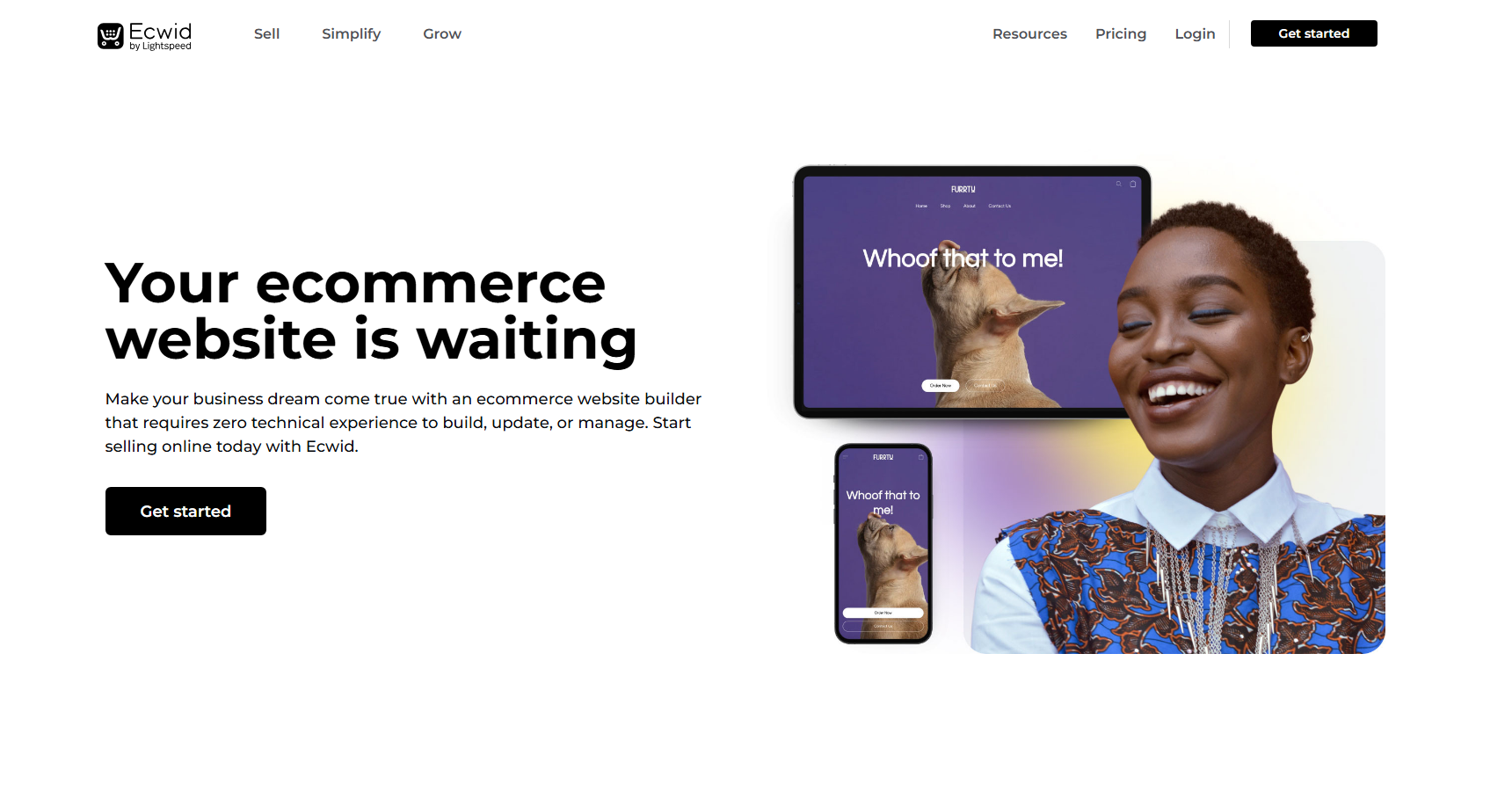
5. Ecwid
Best for Existing Websites
Ecwid lets store owners add selling capability to a site they already have, instead of building a new one from scratch. Products integrate directly into existing pages, so owners can start selling without a redesign.
Key aspects are:
- Multi-platform integration
- Mobile management
- Product synchronization
- Free starter plan
It’s a strong option for anyone who wants to add ecommerce functionality quietly, without overhauling a site that already works.
 Ziyad K
How to Choose the Right Ecommerce Platform for Your Business
Business owners often ask: how do I choose the right ecommerce platform?
Consider these factors:
Budget
Look beyond the sign-up cost to ongoing subscription fees, payment processing fees, app costs, and the cost of scaling later.
Technical Skills
Choose a platform that matches your comfort level with technology. If you do not want to manage hosting, updates, or plugins, a simpler hosted builder may be a better fit.
Product Volume
Some platforms handle large inventories better than others. A seller with 20 handmade products does not need the same setup as a brand managing thousands of SKUs.
Growth Plans
Pick a platform that can grow with you, not one you’ll outgrow in a year.
Ease of Management
A simpler system for products and orders frees up time for actually growing the business.
Mobile Experience
Phones are where most people buy things now, so websites must work well on them. Responsive layouts handle that challenge naturally.
Why Store.link Stands Out
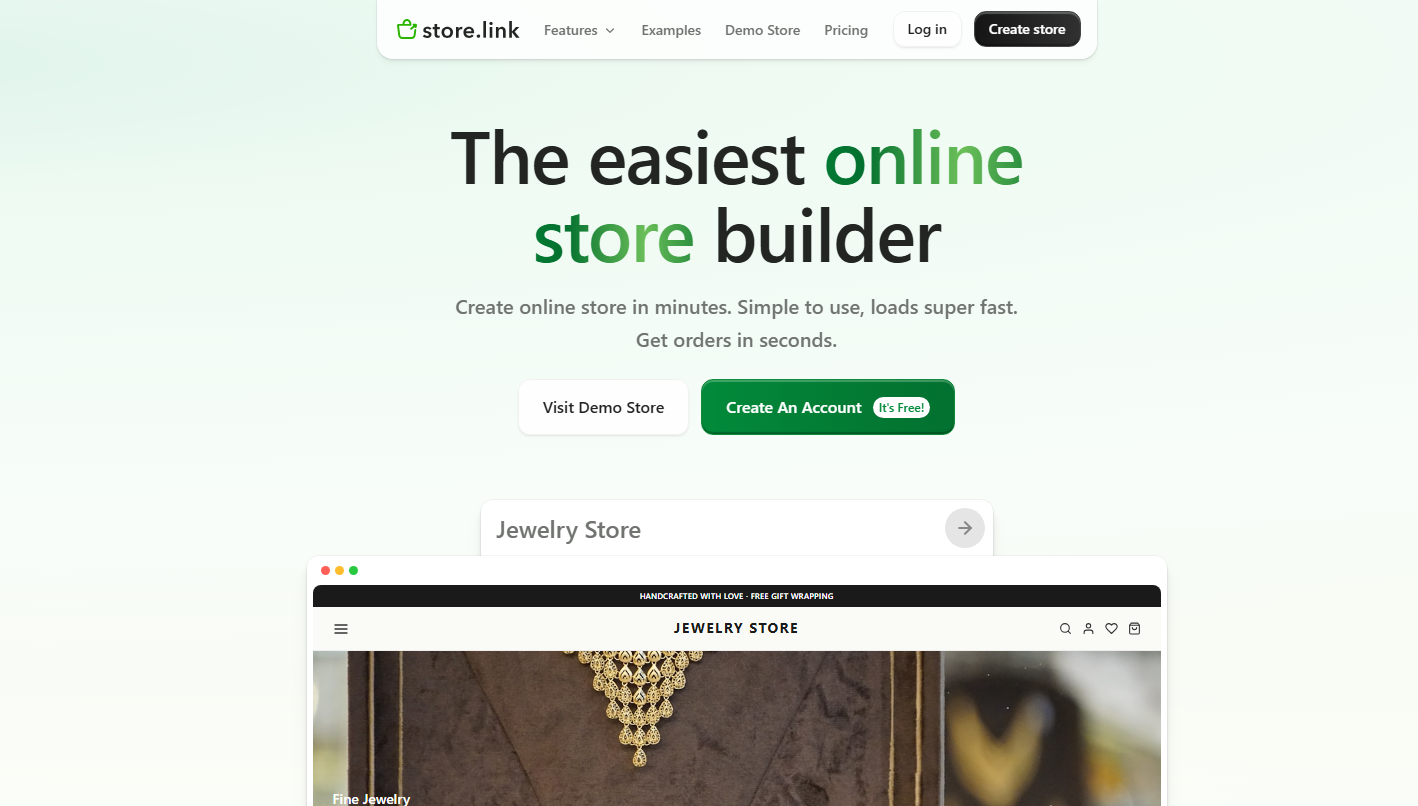
Among modern ecommerce solutions, Store.link offers several advantages.
Built on Google Sheets
This is one of its most distinctive features.
Users can:
- Add products quickly
- Update inventory instantly
- Manage pricing easily
- Avoid complex dashboards
For many small business owners, Google Sheets is already familiar, significantly reducing the learning curve.
Freely Available
Unlike many platforms requiring ongoing subscription fees, Store.link offers an accessible way to launch an online store without substantial upfront investment.
Zero commission
Unlike platforms that take a cut of every sale, Store.link charges zero commission across all plans, including free.
Multiple payment options
Store.link supports payment options including Stripe, PayPal, Razorpay, Square, and custom payment links. This gives sellers flexibility to choose a payment setup that fits their business and customers.
WhatsApp order notifications
For Indian small businesses, WhatsApp is often central to sales and customer communication. Store.link’s WhatsApp order notifications help sellers stay on top of new orders without constantly checking a dashboard.
Fast Setup
Business owners can create and launch a store within minutes rather than days or weeks.
Ideal for Small Businesses
Store.link works particularly well for:
- Local retailers
- Home-based businesses
- Artists
- Freelancers
- Creators
- Startup brands
These advantages make Store.link a strong contender in any ecommerce website builder comparison, especially for sellers who want a free ecommerce website builder in India without commission fees.
Current Ecommerce Growth Statistics
Several industry trends support the growing demand for ecommerce platforms:
India’s ecommerce market is projected to reach $350 billion by 2030, according to IBEF.
Mobile commerce now drives a major share of online shopping behavior in India, helped by smartphone adoption, UPI, and mobile wallet usage.
Much of India’s ecommerce growth is now coming from smaller cities and towns, not just major metros.
These trends point to one thing: choosing the right platform now sets a business up for the growth ahead.
Conclusion
Picking a strong ecommerce website builder matters more than most realize. A good choice smooths daily tasks, makes shopping easier for visitors, while also handling expansion down the road.
Start by looking at how much each online store tool costs, some get pricey fast. Picture clicking around a dashboard; it ought to feel smooth, not confusing. As the shop grows, the system must grow too, without breaking apart. Running things day to day needs to stay manageable, even during busy times. Wondering what exactly powers these digital storefronts opens doors. Picking one that fits your goals isn’t luck, it follows clarity.
One option catches the eye when small companies want straightforward, low-cost online selling, Store.link. Running on Google Sheets, it skips fees entirely. Simple setup pulls in many Indian business owners aiming at starting up or expanding by 2026.
FAQs
Best website builder online store India 2026?
It depends on your business. For small operations wanting a free, straightforward setup, Store.link is a strong choice. For businesses planning rapid scale, Shopify is often the better fit.
What is the best ecommerce platform for dropshipping?
Shopify is the most common choice for dropshipping, largely due to its wide range of integrations. Depending on day-to-day needs, other platforms can be a better fit.
What is the best ecommerce platform for small businesses?
Store.link works well for small teams: it’s free to start, quick to set up, charges zero commission, and runs on the familiar Google Sheets interface.
Can an ecommerce store be built without coding?
Yes. Platforms like Store.link, Shopify, Wix, and Ecwid all let business owners build and run a store through simple interfaces, with no coding required.