


Selling products online in 2026 is easier than ever. With the help of a modern ecommerce website builder or Online Store Builder. You can launch a store quickly, promote products through social media, and accept payments from customers almost anywhere. The hard part is choosing the right product, getting noticed in a crowded market, and building a store that actually converts.
Table of Content
- Step-by-step Guide To Sell Products Online
- Choose The Product That You Want To Sell
- Conduct A Thorough Market Research
- Identify Who Your Target Audience Is
- Choose An eCommerce Platform
- Set Up Packaging And Shipping
- Integrate Payment Channels
- Optimize Sales And Analyze Performance
- Do The Right Marketing
- Provide Good Customer Service
- Follow Trends & Keep On Improvising
- What Makes Store.link Different From Other eCommerce Platforms?
- Conclusion
- FAQs
Step-by-step Guide To Sell Products Online
Here is a step-by-step that even beginners can follow to learn online selling. Keep it as your checklist when you are opening the online store.
Also read: What Is An Online Store And Why Do You Need One?
Choose The Product That You Want To Sell

Choose a product that you would love to sell. And, at the same time, it should also have demand in the market. Invest time and effort to find out what kind of products are top-performing in the ecommerce market.
You can research the current trends in ecommerce, analyze what competitors are doing, and identify the products that have a healthy demand. Products that solve problems or add convenience often perform better.
Most beginners want to know “which products are most profitable to sell online?” In 2026, skincare, fitness, eco-friendly, digital products, pet-related products, and personalized products will have more demand. These are the categories from which you can also benefit from repeat purchases.
Conduct A Thorough Market Research
Conducting market research before you choose your product is necessary. You can understand who your competitors are, the customer behavior, the gaps in the market, and more. View this as a preparation before taking the big step.
You can start with:
- Google Trends
- Amazon Best Sellers
- Etsy search suggestions
- competitor websites
- customer reviews
- social media platforms
- ecommerce forums and communities
When doing research, look for:
- how many sellers already offer similar products
- what customers praise in reviews
- what customers complain about repeatedly
- how competitors price and position their products
- what keywords and phrases buyers use
The best market research does not just show what is popular. It shows where existing sellers are falling short.
Identify Who Your Target Audience Is
Not everyone is your customer, and that is a good thing.
The better you understand your target audience, the easier it becomes to write product descriptions, run ads, choose the right channels, and create offers that convert.
Try to define:
- age group
- shopping habits
- online behavior
- budget range
- lifestyle and interests
- biggest objections before buying
For example, someone buying a digital template behaves differently from someone buying handmade jewelry, home decor, or fitness products.
Audience clarity improves:
- product messaging
- ad targeting
- pricing strategy
- content ideas
- email campaigns
If your messaging feels too broad, your audience definition is probably too broad too.
Choose eCommerce Platform
Choosing the right ecommerce platform affects everything from store management to SEO and customer experience.
There are many ways to sell online today. You can sell through marketplaces, social platforms, or your own website. While marketplaces help with reach, your own website gives you more control over branding, customer relationships, and long-term growth.
When comparing ecommerce platforms, focus on:
- ease of use
- mobile responsiveness
- customization options
- payment integrations
- SEO features
- scalability
A good online store builder should make selling easier, not more technical. If simple tasks like updating products, changing pages, or managing orders feel complicated, that becomes a growth problem later.
Set Up Packaging And Shipping
Offering a satisfactory delivery experience to your customer can boost the value of what you are selling. Currently, customers are expecting fast delivery, tracking, and secure packaging.
Branded packaging is trending as it secures the product and promotes the brand. Also, there should be no hidden costs or last-minute shipping costs that disappoint the customer. Always choose to keep the delivery process simple and transparent.
Integrate Payment Channels
Checkout should feel simple, secure, and familiar.
One of the biggest reasons customers abandon a purchase is payment friction. If the checkout process feels confusing or does not support trusted payment methods, conversion drops.
Depending on your market, consider offering:
- credit cards
- debit cards
- PayPal
- Google Pay
- digital wallets
- buy now, pay later options
It is also important to use secure payment gateways, SSL protection, and clear checkout messaging. The easier it feels to complete the payment, the higher your chances of closing the sale.
Optimize Sales And Analyze Performance
Regularly analyzing data and making improvements can help boost performance. By tracking customer behavior, businesses can get valuable insights such as:
Which products sell the best? Where do visitors come from? Which marketing channels perform well? Which is the most used payment channel? Why do customers leave the site? And more.
These data, when collected with the help of accurate analytical tools, will improve decision-making. If customers are repeatedly abandoning the shopping at a particular stage, then it means that there is something there that you need to make better.
The best tip for online selling is to consistently focus on small improvements. Simplifying the navigation, listing high-quality product images, including detailed descriptions, regularly updating mobile optimization, all these can lead to better conversions long-term.
Do The Right Marketing
Proper marketing increases the visibility of the brand and the product. One of the most effective long-term strategies is still Search Engine Optimization (SEO). Businesses that optimize their website for SEO can attract organic traffic.
What is included in this is the usage of relevant keywords, improving website speed, optimizing product pages, and publishing useful website content. In addition, social media marketing through platforms like Instagram, TikTok, and Pinterest can reach a wide group of audience.
What continues to drive engagement and sales are short-form videos, user-generated content, and influencer collaborations. To build and nurture long-term relationships, targeted email marketing is effective.
Provide Good Customer Service
Customer service determines whether a customer stays loyal to your business or moves on to your competitor. Quick responses, easy return processes, and clear communication are what online shoppers expect the most.
Building customer trust is non-negotiable. As it is a virtual shopping experience, customers value communication, reviews, and overall experience. In order to improve customer service, businesses depend on the following:
- Live chat support
- Chatbots
- Quick email responses
- Detailed FAQs
Satisfying customers is the best way to turn them into repeat buyers.
Follow Trends & Keep On Improving

Ecommerce keeps changing, and sellers need to keep adjusting.
Some of the biggest trends shaping online selling in 2026 include:
- AI personalization
- social commerce
- mobile-first shopping
- short-form video discovery
- automation tools
- higher customer expectations around speed and convenience
These trends matter because they change how people discover products, compare options, and complete purchases. You do not need to chase every trend, but you do need to stay aware of how customer behavior is evolving.
The most successful online sellers keep testing, learning, and improving instead of treating the store as a one-time setup.
Also read: E-Commerce Trends: The Future of Online Shopping
What Makes Store.link Different From Other eCommerce Platforms?
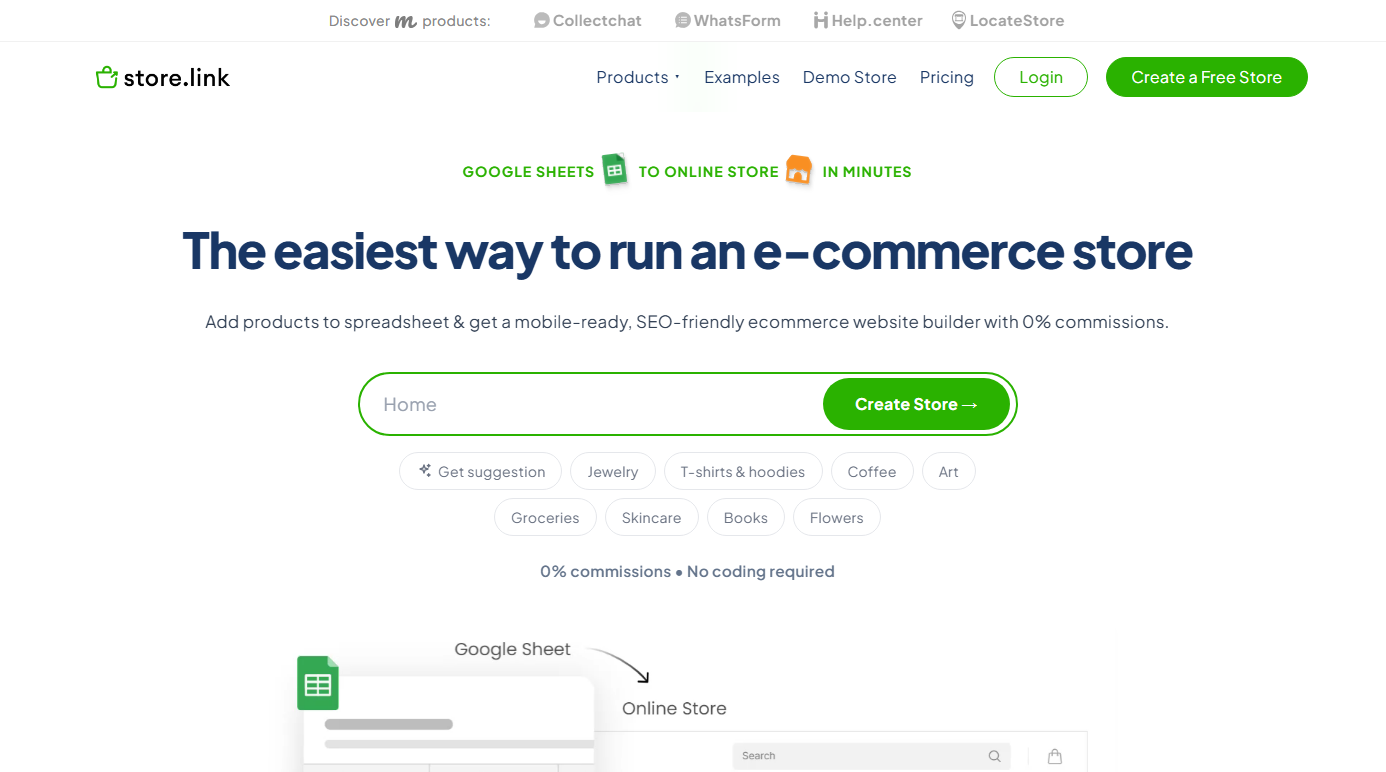
Store.link helps simplify online selling by letting businesses manage their store through Google Sheets instead of a more complex backend.
That makes it especially useful for sellers who want a simple setup, quick product updates, and an easier way to manage inventory and orders.
Key features
- no coding required
- Google Sheets-based store management
- real-time product and inventory sync
- AI-powered store setup
- built-in payments and order management
- mobile-friendly storefronts
For new sellers and growing businesses, the appeal is simplicity. The easier a store is to manage, the easier it is to stay focused on products, marketing, and customer experience.
Also read: How to Create an Online Store: Step-by-Step Guide for Beginners
Conclusion
Learning how to successfully sell products online in 2026 requires strategy, consistency, adaptability, and the right tool with From choosing what products you want to sell to providing the best customer service, a reliable ecommerce website builder is your partner.
For newbies and growing businesses, Store.link remains the one-stop station for all they are looking for: easy availability, affordability, and flexibility.
Now is the perfect time to grow your online business and become successful before this year ends.
FAQs
What's the best platform to sell online?
The best platform depends on your goals, budget, and how much control you want. Marketplaces help with reach, while your own store gives you stronger control over branding, SEO, and customer relationships.
How can I legally sell products online?
To legally sell products online, you first need to register your business. Afterwards, you have to follow the local tax regulations, provide a clear return, and privacy policies to the customers.
Where can I buy products to sell online?
You can source products from wholesalers, manufacturers, dropshipping suppliers, or local producers. The best option depends on your margins, delivery model, and quality requirements.
What are the most profitable items to sell online?
Some of the most profitable items to sell online in 2026 include health and beauty products, fitness accessories, clothing, home decor, pet supplies, digital gadgets, and personalized items. Products with high demand perform the best.